You open an AI video tool, type "make an ad for my candle shop", and get back something that looks like every other ad on the internet. The tool was not the problem. The prompt had no format: no idea of what the viewer should see first, what changes on screen, or why anyone should keep watching. Picking the format before you generate anything is most of the work.
For most small businesses, five creative formats cover nearly every product: the lifestyle reveal, the problem and solution cut, the atmosphere brand ad, the creator style video and the close up with text hooks. Start with whichever matches what your product does best, build three versions that differ in their opening, and check each one against the platform rules, because two of these formats run straight into TikTok's ad policy if you are careless. Below is each format with a shot list, the businesses it suits, its typical length, the rule to watch, and a table to choose your first one.
Key takeaways
- Pick the format before you prompt: lifestyle reveal for everyday products, problem and solution for visible results, close up with text for texture and detail, creator style for products that need explaining.
- TikTok's ad policy bans before and after product effect comparisons that could give a false impression, and requires a label or disclaimer on significantly AI generated content.
- Test formats against each other, not near copies. Two genuinely different formats teach you something; two similar ones mostly add noise.
These are descriptions of creative formats, not case studies. They explain what each format is, which businesses it fits and why it tends to hold attention.
The five formats at a glance
| Format | Best for | Typical length | Rule to watch |
|---|---|---|---|
| Lifestyle reveal | Beauty, food and drink, home goods, accessories | 10 to 20 seconds | Product must look as it does in real life |
| Problem and solution | Cleaning, organising, haircare, services with a visible result | About 15 seconds | TikTok bans misleading before and after product effects |
| Atmosphere brand ad | Premium products, gifts, brands building awareness | 20 to 30 seconds | Keep at least one clear product shot |
| Creator style | Products or services that need a quick explanation | 20 to 45 seconds | An AI presenter must not pose as a real customer |
| Close up with text hooks | Food, skincare, crafts, anything where texture sells | 10 to 15 seconds | Every on screen claim must be provable |
Lengths are our suggested starting points, not platform rules. Meta allows Reels ads up to 15 minutes and TikTok In Feed ads up to 10 minutes; short is a creative choice, not a technical limit.
1. The lifestyle reveal
What it is: a short scene of the product being used in a natural setting. Skincare applied in a morning bathroom. A supplement scooped into a shaker after a workout. A candle lit on a kitchen table at dusk.
Why it works: it puts the product inside a life the viewer recognises. The appeal comes from context rather than from being told the product is good.
Shot list: (1) hands reaching for the product, (2) the product in use, (3) a close up of the moment it does its job, (4) the product sitting in the scene with your offer on screen.
Watch out for: AI tools love to make the product shinier, bigger or more luxurious than it is. Compare every frame with a real photo of what customers receive.
2. The problem and solution cut
What it is: two scenes and a hard cut. The first shows the problem, the second shows life after the product or service. A cluttered entryway, then an organised one. A stained couch, then a clean one after a cleaning visit.
Why it works: it mirrors how customers think. They recognise the before, they want the after, and the product is the bridge. It suits direct response ads because it sells the outcome.
Shot list: (1) the problem, clearly and quickly, (2) the product or service being used, (3) the result, (4) the offer and call to action.
Watch out for: this is the riskiest format. TikTok's ad policy lists product effect comparisons such as before and after results that may give a false or distorted impression as not allowed, and says ads must not promise or exaggerate a product's effect. In Canada, the Competition Bureau's general impression test means visuals that overstate the result can be misleading even if the words are accurate. Use real results, show a process rather than a miracle, and avoid AI generated "after" shots of faces or bodies.
3. The atmosphere brand ad
What it is: a slower, cinematic piece that sells a feeling: golden hour light, slow movement, quiet music. The product appears, but the mood is the point.
Why it works: for higher priced or gift products, desire matters more than a feature list. Nobody buys a $90 candle because of its wick specification.
Shot list: (1) a wide establishing shot of the setting, (2) a slow move towards the product, (3) one detail shot, (4) the brand name and a soft call to action.
Watch out for: it is easy to make an atmosphere ad where nobody can tell what is being sold. Keep at least one clear, well lit shot of the product, and use royalty free or original audio; Meta's Ads Guide says Reels ads should not contain licensed music.
4. The creator style video
What it is: a video that looks like everyday social content: handheld, natural light, a person talking to camera or demonstrating the product without heavy polish.
Why it works: on TikTok and Reels, content that looks native to the feed tends to feel less like an interruption than a glossy commercial.
Shot list: (1) a face and a one line hook, (2) the product in hand, (3) a quick demonstration, (4) one reason to act now.
Watch out for: AI presenter tools make this format cheap, and that is where small businesses get into trouble. An AI person saying "I've used this for a month" presents an experience nobody had. TikTok requires a label or clear disclaimer on fully AI generated people or voices, and prohibits using anyone's likeness without permission. Use the owner, a staff member who is introduced as staff, or a real customer who agreed to appear. We compare the trade offs in AI UGC ads vs lifestyle ads.
5. The close up with text hooks
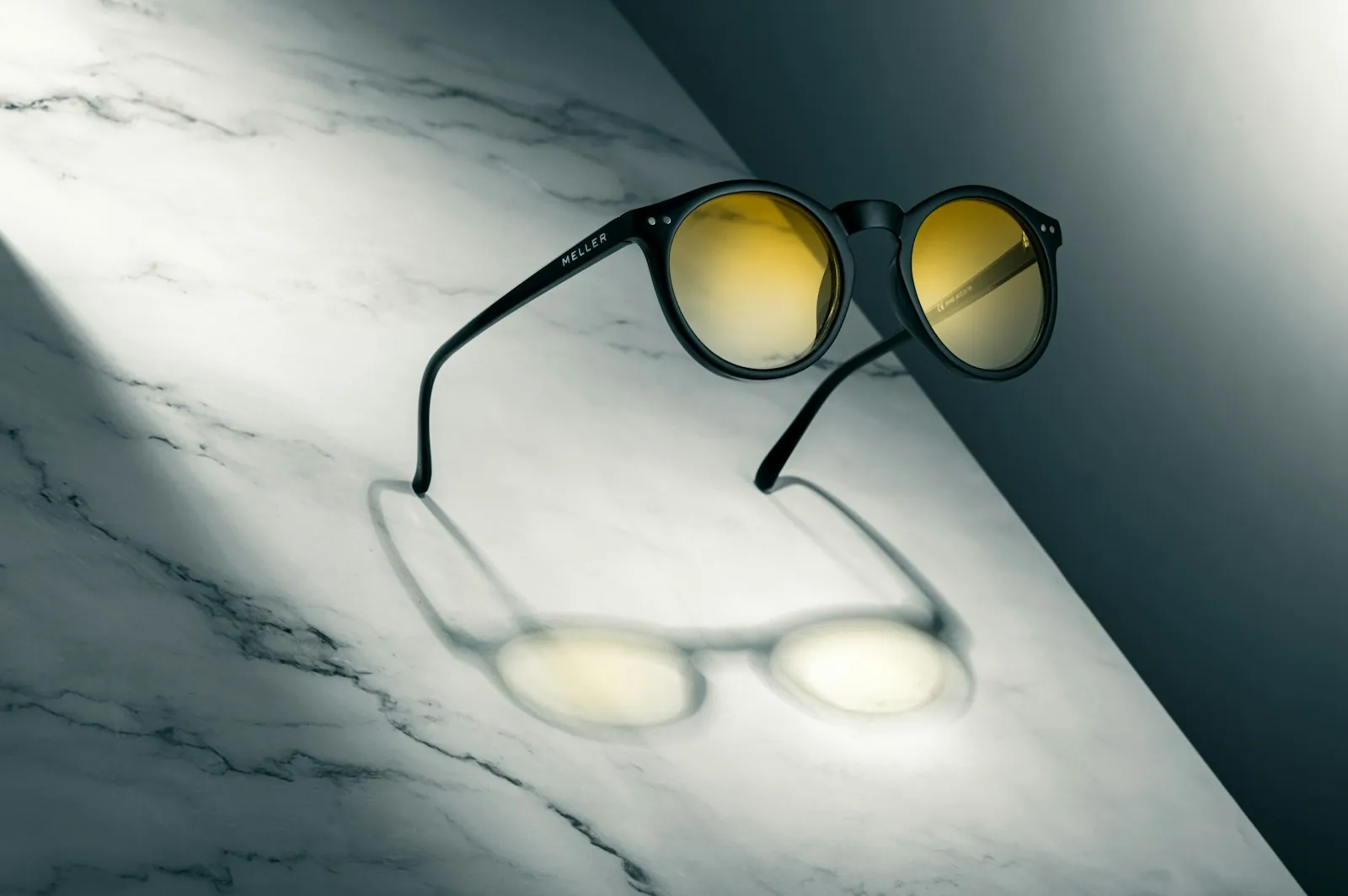
What it is: tight, detailed shots of the product, with bold on screen text doing the selling. Texture, packaging, a pour, an ingredient.
Why it works: it works with the sound off. The visual proves the quality while the text turns interest into a reason to tap.
Shot list: (1) extreme close up with a one line claim, (2) a second detail with a second line, (3) the whole product, (4) price or offer.
Watch out for: keep the text inside the safe zone. Meta's Reels spec says to leave 14% of the top, 35% of the bottom and 6% on each side free of text and logos. TikTok publishes downloadable safe zone files for its In Feed ads because the safe area depends on caption length and orientation.
Which format should you start with?
| If your product or service... | Start with | Test it against |
|---|---|---|
| Looks good in use (food, beauty, home) | Lifestyle reveal | Close up with text hooks |
| Fixes a visible problem (cleaning, organising) | Problem and solution, using real results | Lifestyle reveal |
| Is a premium or gift item | Atmosphere brand ad | Close up with text hooks |
| Needs a quick explanation (a new gadget, a service) | Creator style with a real person | Problem and solution |
| Sells on texture or craft | Close up with text hooks | Lifestyle reveal |
Run the two formats side by side for at least a week with the same offer and budget, and keep the one with the lower cost per purchase or lead. Then make a fresh version of the winner and test it against a third format.
Build every format to the right spec
- Meta Reels: 9:16, MP4 or MOV, recommended 1440 × 2560 pixels, primary text about 44 characters, no licensed music.
- TikTok In Feed: 9:16 recommended, minimum 540 × 960 pixels, up to 10 minutes and 500 MB, in .mp4, .mov, .mpeg, .3gp or .avi.
- Facebook Feed: 4:5 at 1440 × 1800 pixels if you want a dedicated feed version.
Our AI Reels ads guide covers the Reels build in detail, and how to brief an AI ad turns any of these formats into a brief or prompt.
Frequently asked questions
What is the best video ad format for a small business?
The one that matches what your product does best. A lifestyle reveal suits products that look good in use; problem and solution suits visible results; a close up with text suits products where texture and detail sell.
Can I use before and after videos in TikTok ads?
TikTok's ad policy lists product effect before and after comparisons that may give a false or distorted impression as not allowed. Show the process and real results, and avoid exaggerated or AI generated "after" shots.
Can I use an AI presenter for a testimonial style ad?
Not as a fake customer. An AI person describing an experience nobody had can mislead under Canada's Competition Act, and TikTok requires a label on fully AI generated people. Use a real person, introduced honestly.
How long should a small business video ad be?
Platforms allow long ads, but most small business ads use 10 to 30 seconds so the product and offer appear early. Treat length as a creative choice and test it.